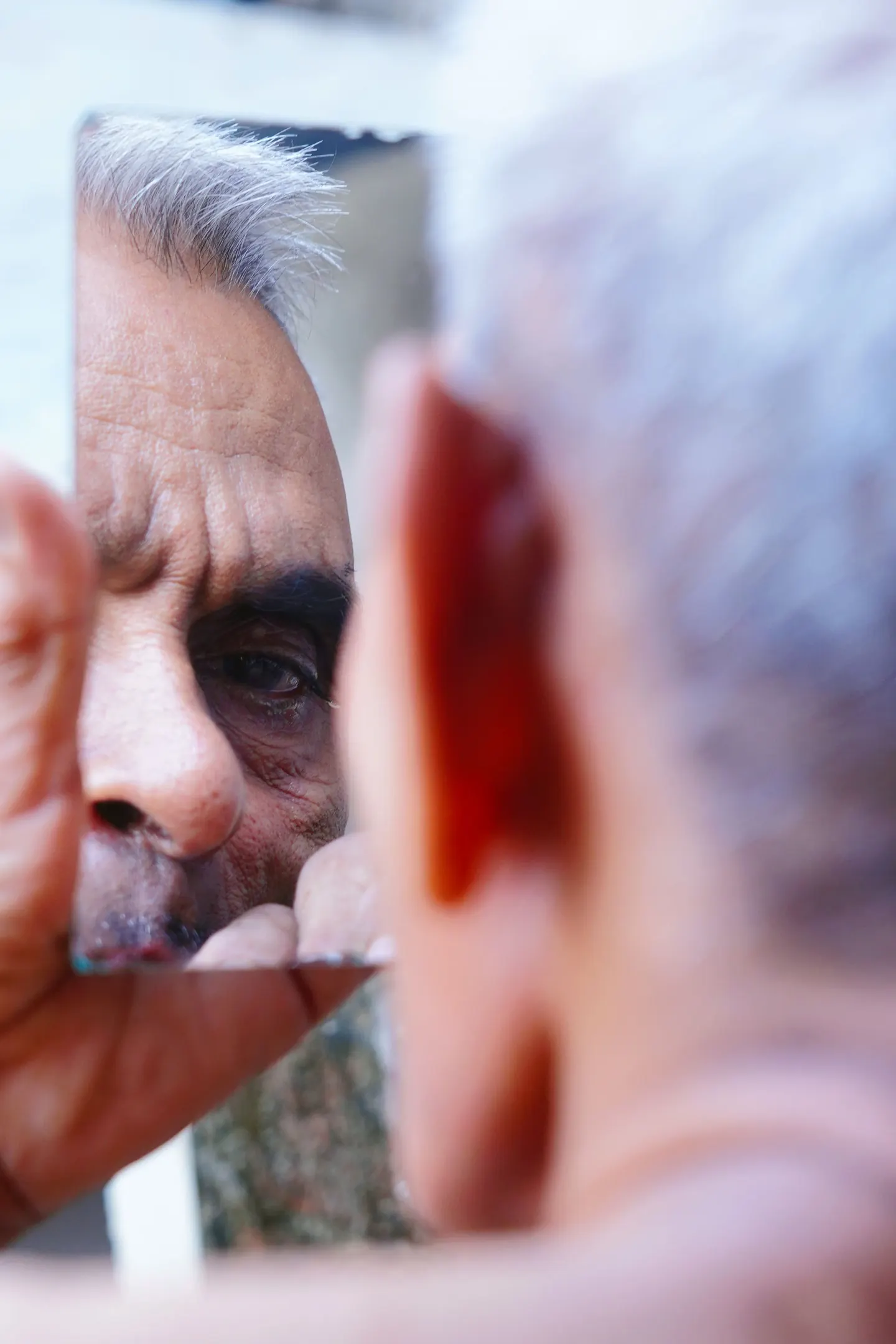

Reducing risk means improving the odds; it does not mean guaranteeing an outcome. Dementia has several contributing factors, including some that cannot be changed. A diagnosis is not evidence that someone failed to live well.
Start with a health conversation
Ask a clinician about the health issues most relevant to you, including cardiovascular health, hearing and other concerns. General habits such as physical activity, social connection and avoiding smoking can form part of a broader plan. The right starting point depends on your abilities, circumstances and medical history.
Do not interpret population research as a personalised prediction. A percentage in a study cannot tell an individual whether they will develop dementia. It also cannot promise that a particular food, app or supplement will prevent the disease.
Choose something you can repeat
A useful personal plan has a small action, a realistic place in the week and a way to make it easier. Instead of “be more active,” consider discussing a suitable activity with your care team and arranging the transport or companion needed to do it. Remove a practical barrier before setting a demanding target.
For social connection, think beyond a busy calendar. A regular conversation in a comfortable setting may be more welcome than a large unfamiliar group. Ask what the person enjoys and what makes participation difficult. Hearing, transport, cost and fatigue can all affect whether a plan is usable.
A simple planning exercise
Write three columns: something I want to keep doing, what gets in the way, and one person or service that could help. Choose one row to work on this week. This is an organisation exercise, not a medical programme or an assessment of dementia risk.
Examples might include arranging a hearing appointment, asking about a suitable movement class, or scheduling a regular visit with a friend. Keep the choice personal and achievable. Review how it felt before adding more tasks.
If dementia is already diagnosed
Supporting comfort, enjoyment and general health still matters, but risk reduction should not be presented as a cure or a way to reverse established disease. Adapt activities to the person and seek professional advice when safety or physical limitations are a concern. The daily routine planner can help organise a day around familiar interests and realistic support.
Sources & further reading
These references support the educational background. Worksheets, planning examples and comparison questions are our own practical suggestions.
Information checked for this edition on 12 September 2026. Service details and medical guidance can change; confirm individual decisions with the appropriate professional.