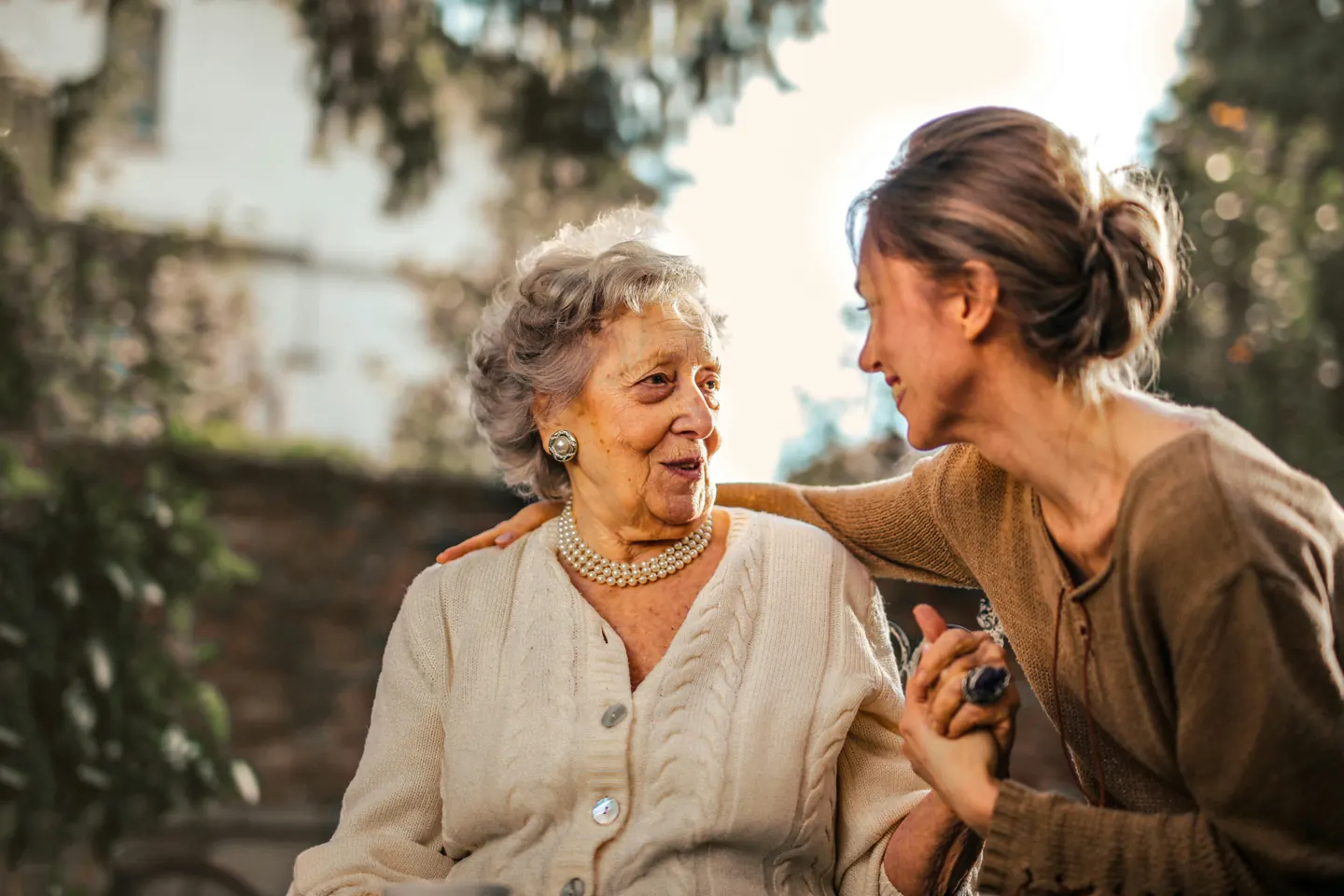

A meaningful visit does not need a complicated activity or a long conversation. It can be time spent listening to familiar music, looking outside or sharing a simple task. Begin with the person’s preferences rather than an expectation that every visit must be memorable afterward.
Ask about timing and energy
Check with the person or their helper about a comfortable time and length. Consider meals, appointments and rest. A shorter visit that feels welcome may work better than an afternoon that becomes tiring. Make it easy to change the plan.
Choose one familiar interest as a starting point. Bring a relevant object or photograph if the person enjoys it, but avoid asking them to identify every face or recall every event. Offer the item as something to enjoy together.
Let participation take different forms
The person may talk, watch, gesture or simply sit with you. Give them time and avoid treating silence as failure. Ask before helping with a task and do not insist on finishing an activity that is no longer enjoyable.
If there are mobility, eating or other care needs, check the agreed plan with the appropriate helper. A visitor should not improvise clinical care or offer food that conflicts with known instructions.
Include an easy ending
Tell the person simply when you are leaving and, if known, when you expect to return. Avoid promises you cannot keep. If leaving is difficult, ask the regular caregiver or care team about an approach that suits the person.
Afterward, share useful observations respectfully: which activity was welcome, what felt tiring and any concern that needs attention. Do not post photographs or personal details publicly without appropriate agreement.
Make visits sustainable
If several people want to visit, coordinate so the person is not overwhelmed on one day and without company for the rest of the week. Ask what pattern they prefer. Regular contact can take different forms, including short calls where those are comfortable.
The daily routine planner has room for a familiar activity and a quieter alternative. Use it as an invitation, not a requirement. The person’s comfort and choice should guide the visit.
Sources & further reading
These references support the educational background. Worksheets, planning examples and comparison questions are our own practical suggestions.
Information checked for this edition on 12 September 2026. Service details and medical guidance can change; confirm individual decisions with the appropriate professional.