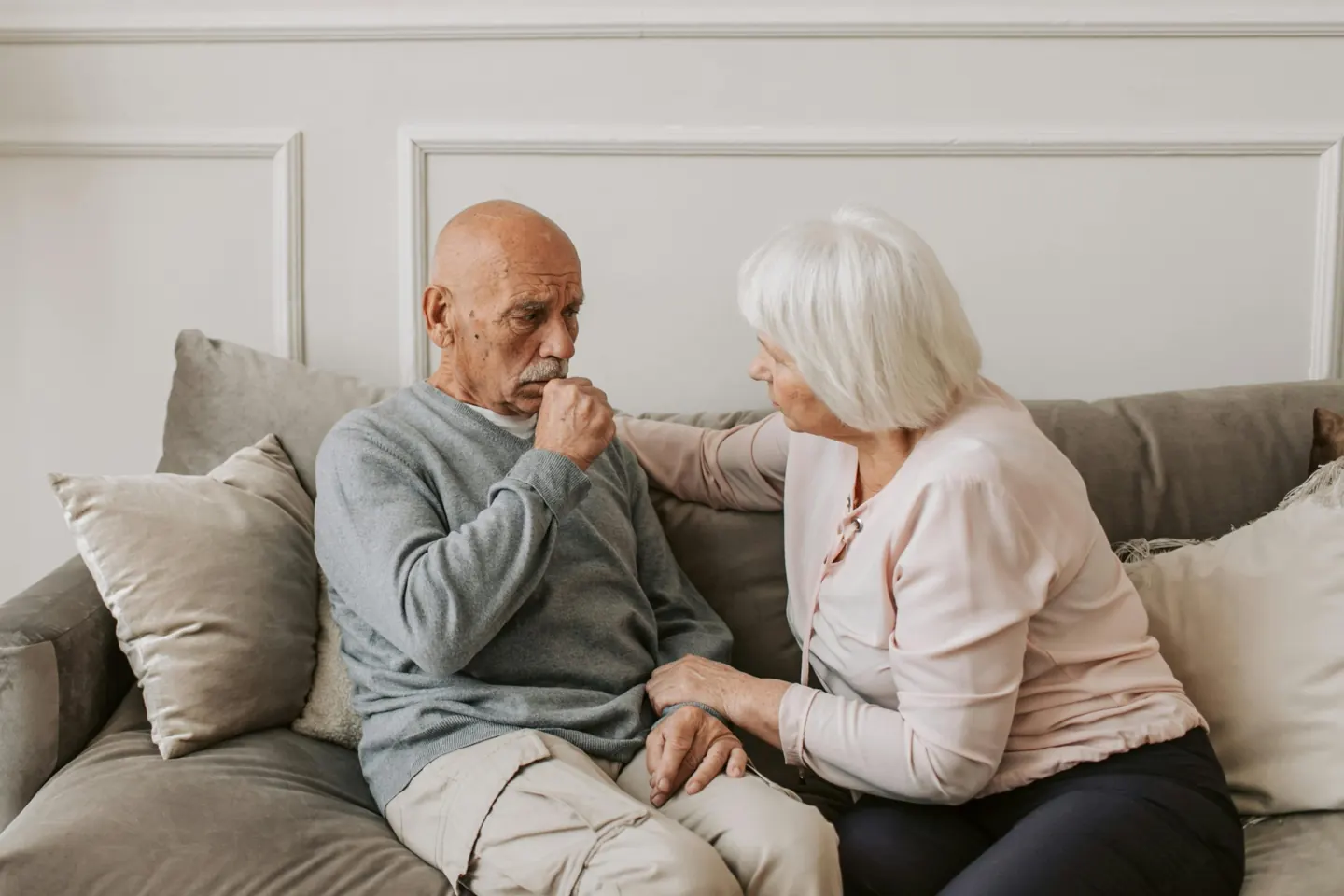

A home review works best when it starts with the person’s actual day. Walk through the routes they use and notice where a task becomes difficult. Keep familiar features where they help, and avoid changing everything at once without considering how the person will adapt.
Look at one route first
Choose a frequent route, such as the bedroom to the bathroom. Check lighting, clutter, floor surfaces and whether important features are easy to identify. Reduce avoidable glare and trip hazards. Ask an occupational therapist or relevant clinician about adaptations when balance, mobility or judgement is a concern.
Do not assume a product makes an activity safe on its own. Grab bars need appropriate positioning and installation. New equipment may need fitting, instruction and reassessment. A towel rail should not be treated as a weight-bearing support.
Review tasks, not just rooms
For cooking, ask which steps the person can manage and where assistance is needed. For medicines, follow the care team’s plan and ask a pharmacist about safe arrangements. For leaving the home, discuss a support plan that respects the person’s rights and preserves emergency exit routes.
Avoid improvised restrictions or locks that could trap someone during a fire. Bring concerns about leaving home or getting lost to the care team for an individual plan.
Make a prioritised action list
Divide observations into three groups: something to address now, something requiring professional advice, and something to monitor. Assign a person and a date to each agreed action. A long unassigned checklist can create a false sense that the review is complete.
An example is “hallway clutter removed by Friday” rather than “improve home safety.” Another is “ask for an occupational therapy assessment of bathroom transfers” rather than purchasing several aids without guidance.
Check whether the change helped
After a change, observe how the person uses the space. A new sign may help one person and confuse another. Keep the person involved and ask whether the arrangement feels comfortable. Record what worked in the handover notes so helpers use the same approach.
The daily routine planner can record when assistance is needed. It does not replace a professional home assessment or certify that the home is safe.
Sources & further reading
These references support the educational background. Worksheets, planning examples and comparison questions are our own practical suggestions.
Information checked for this edition on 12 September 2026. Service details and medical guidance can change; confirm individual decisions with the appropriate professional.