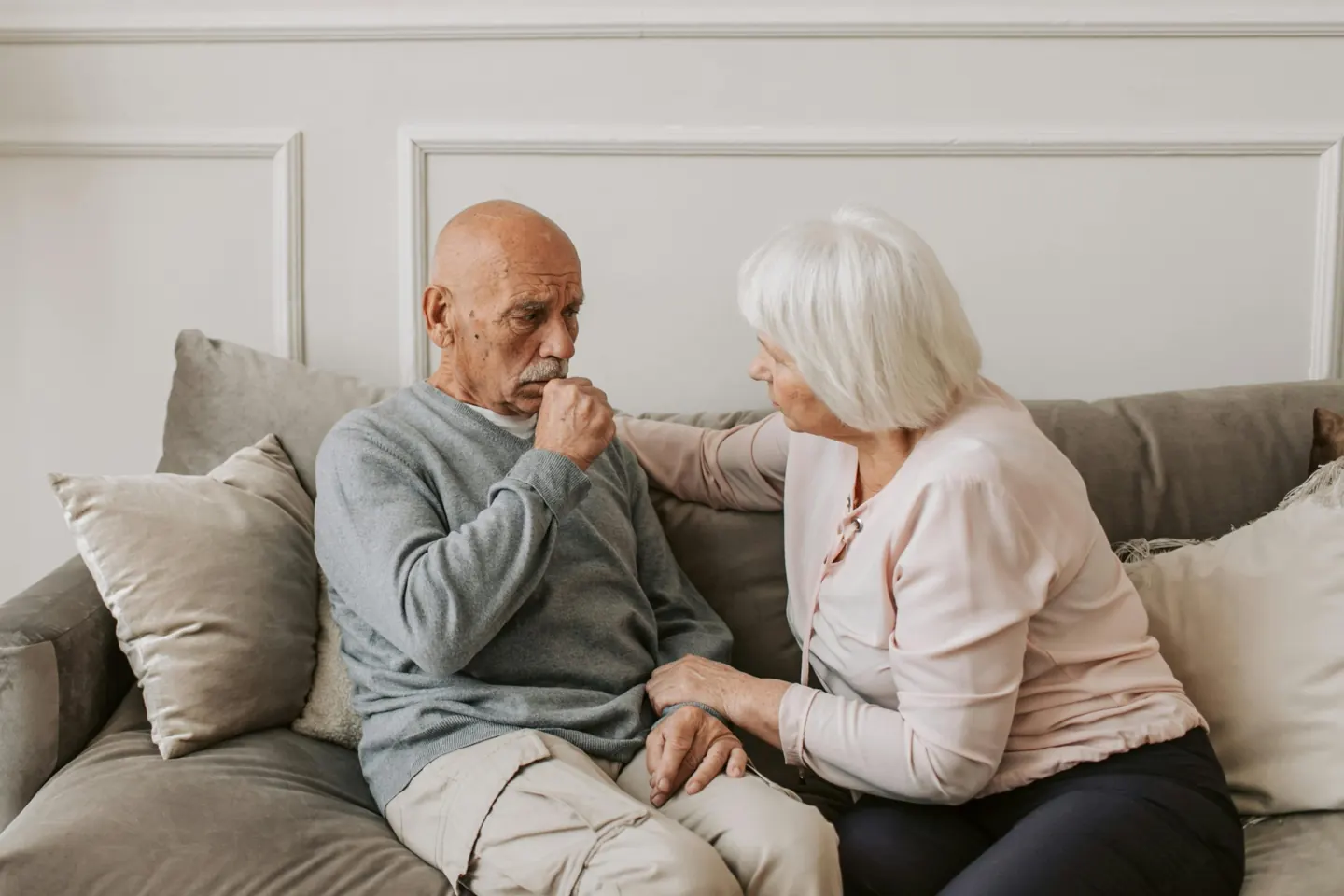
An outing is easier to adapt when the practical details are known in advance. Start with a place the person wants to go, then plan the support needed to enjoy it. A nearby café or garden can be a worthwhile destination without making the day complicated.
Check the whole route
Consider transport, walking distance, accessible entrances, toilets and somewhere to sit. Ask the venue directly about features that matter; an “accessible” label may not answer a specific question. Check current opening hours before setting off.
Choose a time that fits the person’s routine and, where possible, avoids a rushed or crowded setting. Allow extra time without filling every spare moment with another activity.
Agree on support
Ask who will accompany the person and who handles transport. Confirm any mobility equipment or care arrangements with the usual plan. Make sure a helper knows how to use equipment correctly rather than learning in a busy doorway.
Carry relevant contact information securely. Discuss what to do if the group becomes separated. If someone is missing and may be at risk, contact emergency services promptly. Do not rely solely on a phone or tracking device.
Keep a simple alternative
Have a shorter version of the outing: a brief visit, a quieter room or a return home. Changing the plan is not a failed day. Notice whether the person wants to continue and give them a genuine way to stop.
Avoid arranging an expensive or non-refundable activity before checking whether the travel and setting are suitable. Ask about cancellation and companion arrangements when booking.
Learn from the visit
Write a short practical note afterward: where parking worked, which entrance was easiest, when it was quiet and what the person enjoyed. That makes the next outing easier without labelling the person’s responses as good or bad.
If transport or accompaniment is the main barrier, the Canadian support directory provides starting points for local community information. Ask providers about eligibility, scheduling and assistance at both ends of a trip rather than assuming transport includes personal support.
Sources & further reading
These references support the educational background. Worksheets, planning examples and comparison questions are our own practical suggestions.
Information checked for this edition on 12 September 2026. Service details and medical guidance can change; confirm individual decisions with the appropriate professional.