



How to Help Fight Alzheimer’s: Fundraising, Volunteering, and Community Support

Alzheimer’s disease affects millions of families—often quietly, behind closed doors. Many people want to help but don’t know where to start. The truth is: you don’t need to be a scientist or caregiver to make a difference. Supporting Alzheimer’s foundations strengthens research, education, caregiver support, and community awareness.
This guide explains the most meaningful ways to help, including how to donate, fundraise, volunteer, and support families in your community.
Why Your Support Matters More Than Ever
Alzheimer’s is not just a personal challenge—it’s a growing public health issue. As populations age, more families will be affected. That means increased demand for:
caregiver education and respite support
community services and resources
earlier detection and clinical programs
research funding for better treatments
Support today helps build a better future.

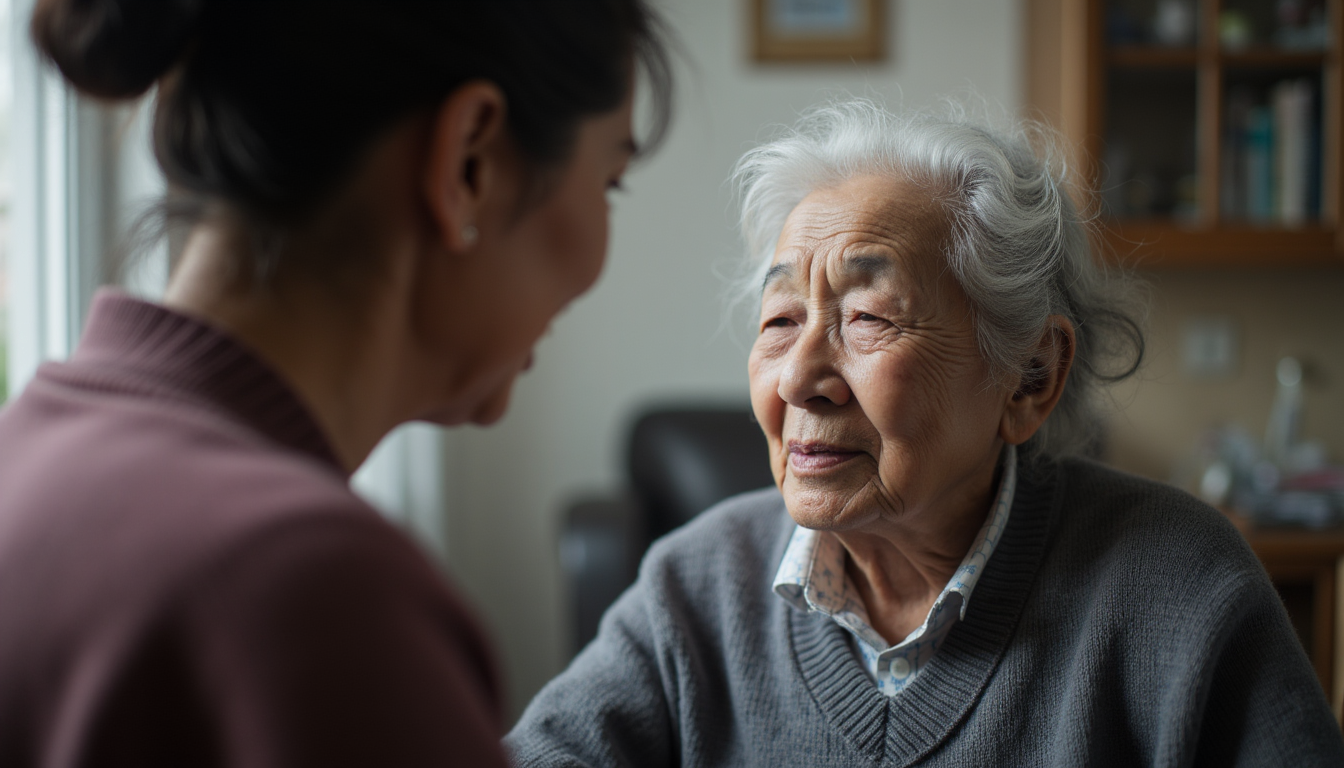
How To Help Alzheimer’s Foundations
When you donate to Alzheimer’s foundations, your contribution can support:
1) Research and innovation
Funding can help researchers study:
disease mechanisms
earlier detection
treatment approaches
caregiver and quality-of-life improvements
2) Education and awareness
Many people still don’t recognize early signs or know what to do. Education saves time, reduces fear, and encourages earlier support.
3) Caregiver support
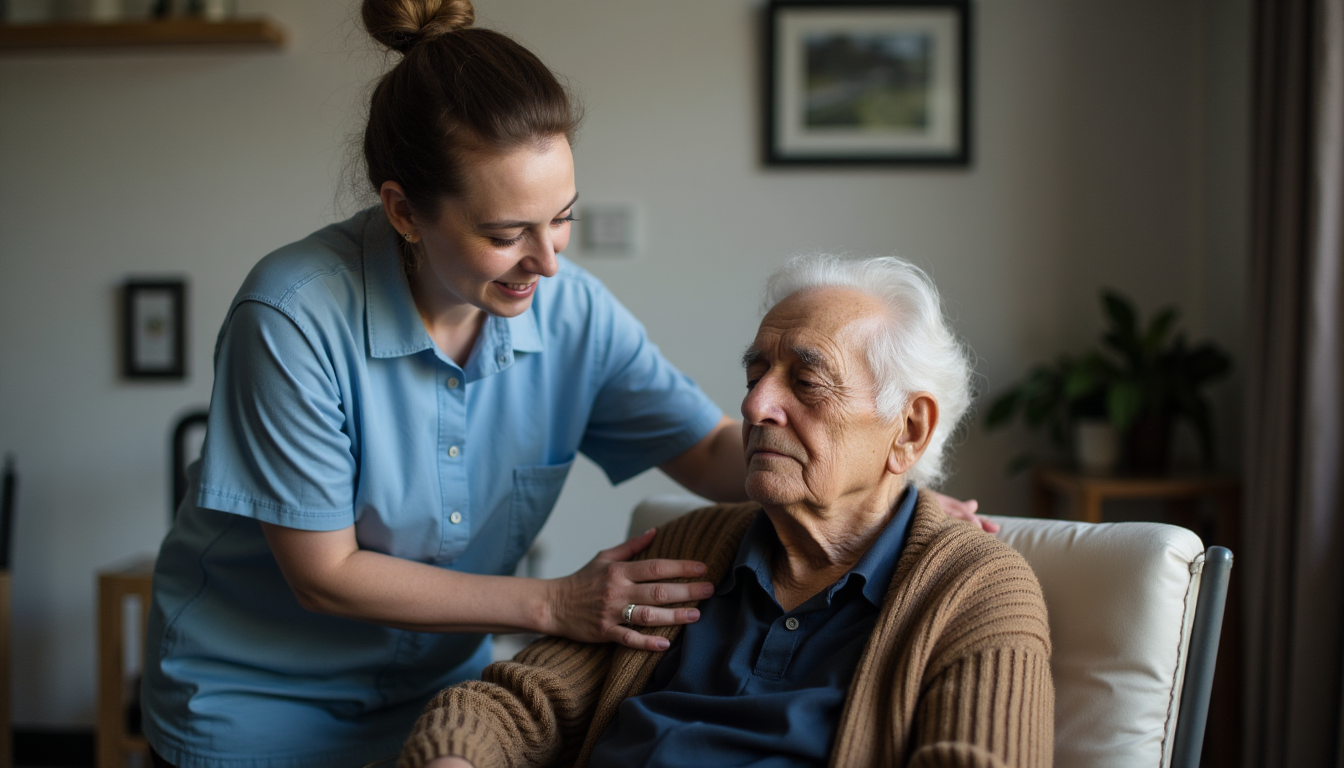
Caregivers often experience burnout, depression, financial stress, and isolation. Support programs help caregivers stay strong and continue providing compassionate care.
4) Community resources
Local programs—support groups, workshops, and guidance—help families navigate a complex journey.
How to Donate to AlzheimersFoundation.ca
Most foundations offer easy donation options such as:
one-time donations
monthly giving (small amounts that add up)
tribute gifts in honor of a loved one
corporate giving or matching programs
planned giving (legacy donations)
If you’re considering donating, check AlzheimersFoundation.ca for the donation page, current campaigns, and options that fit your budget.

Fundraising Ideas That Actually Work
Fundraising doesn’t have to be complicated. The best fundraisers are simple, personal, and repeatable.
Here are proven ideas:
Birthday fundraiser: ask friends to donate instead of gifts
Walk or challenge event: steps-per-day, hiking goal, cycling challenge
Community raffle: partner with local businesses for donated prizes
Bake sale or garage sale: easy neighborhood events with clear messaging
Sports team fundraiser: small entry fees, donations, or sponsor support
Workplace fundraiser: casual dress day, matched giving, charity lunch
Streaming or online event: live Q&A, gaming marathon, or virtual class
Tip: Always explain why you’re fundraising—stories drive action more than statistics.
Volunteering: Time Is Powerful Too
Not everyone can donate money. Volunteering is just as valuable.
Volunteer support may include:
helping at events
outreach and awareness campaigns
assisting with administrative support
community education initiatives
peer support programs (when available)
If you want to volunteer, visit AlzheimersFoundation.ca for opportunities or contact information.
Supporting Families in Your Community
You can help in everyday ways too:
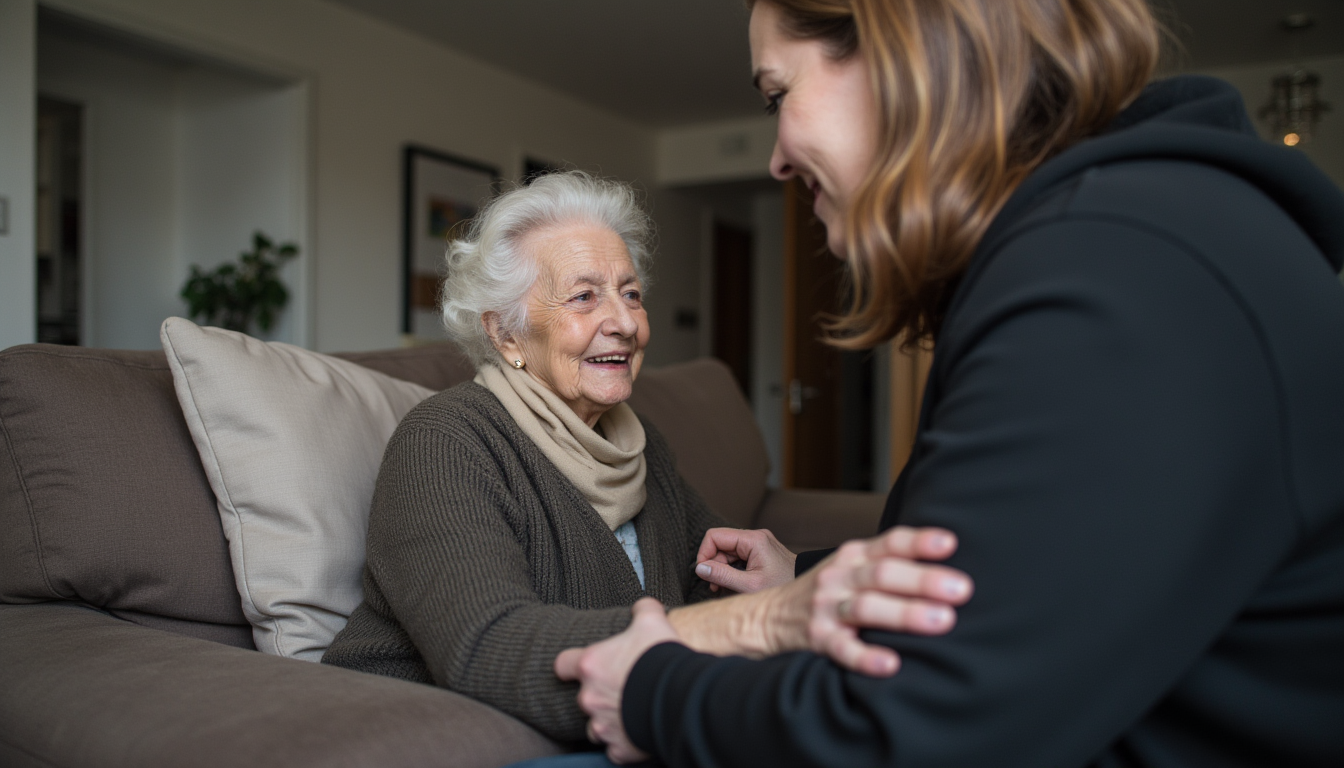
Offer a caregiver a break (even one hour matters)
Bring a meal or groceries
Help with transportation to appointments
Send a supportive message and stay consistent
Learn about dementia-friendly communication
Reduce stigma by speaking about Alzheimer’s with compassion
Often, families aren’t looking for perfect words—they’re looking for someone who shows up.
A Future Worth Building
Alzheimer’s can feel unstoppable when you’re facing it personally. But collectively, support drives progress. Every donation, volunteer hour, and awareness conversation builds momentum toward better treatments, better care, and stronger communities.
If you’re ready to take action, AlzheimersFoundation.ca is here—because hope becomes real when it’s supported.
Sources & Further Reading
This article was prepared using information from respected Alzheimer’s, dementia,
public health, and medical research organizations. It is intended for general
educational purposes only and should not replace advice from a qualified doctor,
nurse practitioner, pharmacist, or other licensed health professional.
Alzheimer Society of Canada – About Dementia
Alzheimer Society of Canada – 10 Warning Signs of Dementia
Government of Canada – Dementia Overview
Government of Canada – Dementia: What Canada Is Doing
National Institute on Aging / NIH – Alzheimer’s Disease Fact Sheet
National Institute on Aging / NIH – What Is Alzheimer’s Disease?
Mayo Clinic – Alzheimer’s Disease: Symptoms and Causes
Mayo Clinic – Dementia: Symptoms and Causes
CDC – Alzheimer’s Disease and Dementia
CDC – About Alzheimer’s Disease
Alzheimer’s Association – What Is Alzheimer’s Disease?
Alzheimer’s Association – 10 Early Signs and Symptoms of Alzheimer’s and Dementia
PubMed – Dementia Prevention, Intervention, and Care: 2024 Lancet Commission Report
The Lancet – Dementia Prevention, Intervention, and Care: 2024 Report
NCBI Bookshelf – Alzheimer Disease Medical Reference