


Caregiving for Alzheimer’s: A Practical Guide for Families and Caregivers
Caring for someone with Alzheimer’s disease is an act of love—but it can also be exhausting, confusing, and emotionally painful. Many caregivers are learning as they go. If that’s you, you’re not failing. You’re doing something incredibly difficult.
This guide focuses on practical caregiver strategies, how to reduce conflict, and how to protect your own health while supporting someone you care about.
Understand the Core Challenge: The Brain Is Changing
Alzheimer’s affects memory, reasoning, language, and emotional control. That means behaviors are often symptoms, not choices. When a person repeats a question, refuses a bath, or accuses someone of stealing, it can feel personal—but it’s usually the disease.
When caregivers shift from “Why are you doing this?” to “What is the need behind this?” the relationship often becomes calmer.
Daily Care: What Helps Most
Build a predictable schedule
Consistency reduces confusion and resistance. Keep wake-up time, meals, and bedtime fairly stable.
Simplify tasks into steps
Instead of “get ready,” try “put on your socks” then “put on your shoes.”
Reduce decisions
Too many choices can overwhelm. Offer two options, not ten.
Make success easier
Adaptive clothing, Velcro shoes, labels on drawers, and simplified meal plans all reduce daily stress.
Communication That Works (Even When Words Fail)
Try these caregiver communication habits:
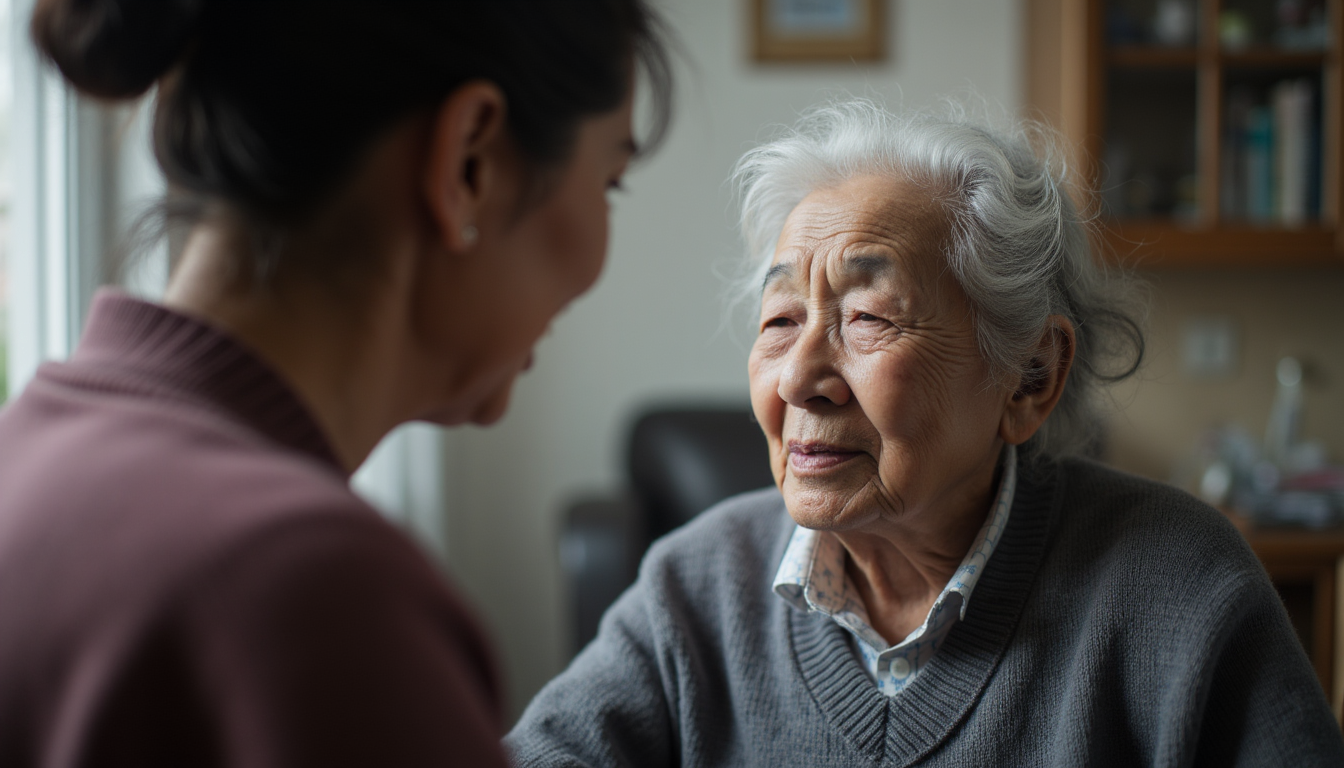
Approach from the front, make eye contact, use the person’s name
Speak slowly with a warm tone
Use short sentences, one idea at a time
Avoid correcting small details unless safety is involved
Validate feelings first (“That sounds scary”)
If conflict rises, step back. Often, calm is more important than being right.
Managing “Difficult” Behaviors: A Better Framework
Behaviors often have triggers. A helpful caregiver approach is:
1) Identify the trigger
Pain? Hunger? Noise? Fatigue? Constipation? New medication? Infection?
2) Reduce stimulation
Quiet room, fewer people, softer lighting, calmer voice.
3) Redirect gently
Offer a snack, music, a short walk, or a familiar activity.
4) Document patterns
If agitation happens at the same time daily (often late afternoon), that pattern can guide solutions.
Safety Planning: Prevent Crisis Moments
Safety planning is a caregiver’s best friend.
Consider:
Fall prevention: remove rugs, improve lighting, add grab bars
Kitchen safety: supervise cooking, use stove locks if needed
Medication safety: locked storage + pill organizer
Wandering risk: door alarms, ID jewelry, updated photos, a plan for emergencies
Driving: watch for confusion, near misses, slow reaction time, getting lost
Safety conversations are tough, especially around driving, but early action prevents harm.
Caregiver Burnout Is Real (and Preventable)
Burnout doesn’t always look like “breaking down.” It can look like:
Irritability or numbness
Trouble sleeping
Frequent illness
Feeling trapped or resentful
Losing patience quickly
Withdrawing from friends
You don’t have to reach a breaking point before you deserve support.
Protective caregiver habits:
Schedule real breaks (not just errands)
Ask family/friends to take specific tasks
Join caregiver support groups (in-person or online)
Use respite care when possible
Talk to a professional about stress and grief
Create a “Care Team” Instead of Doing It Alone
Even one caregiver cannot do everything forever. Build a plan:
Who handles medical appointments?
Who handles finances/paperwork?
Who provides weekly respite?
What happens if the main caregiver becomes sick?
A plan reduces fear because you’re no longer relying on luck.
Caregiving With Compassion—and Boundaries
You can love someone deeply and still need boundaries. You are not “selfish” for resting. Sustainable caregiving requires support, structure, and community.
AlzheimersFoundation.ca supports families through education and advocacy. Your caregiving matters—and so does your well-being.
Need help with a loved one? Get practical guidance and support from AlzheimersFoundation.ca
– The Foundation