




What Is Alzheimer’s Disease? Symptoms, Causes, and Risk Factors

Alzheimer’s disease is the most common cause of dementia, a term that describes a group of symptoms affecting memory, thinking, and everyday functioning. Alzheimer’s is a progressive brain disorder, meaning it tends to worsen over time. While forgetting a name occasionally can be normal, Alzheimer’s goes beyond typical aging—memory loss and confusion gradually become severe enough to interfere with daily life.
Understanding Alzheimer’s disease helps families act earlier, plan better, and access support sooner. At AlzheimersFoundation.ca, our goal is to make information clear, human, and practical—because no one should face Alzheimer’s alone.
Alzheimer’s vs. Dementia: What’s the Difference?
People often use “Alzheimer’s” and “dementia” interchangeably, but they’re not the same:
Dementia is an umbrella term for symptoms like memory loss, confusion, language difficulties, and changes in judgment.
Alzheimer’s disease is a specific illness and the leading cause of dementia.
Other conditions can cause dementia-like symptoms, including vascular dementia, Lewy body dementia, Parkinson’s-related dementia, and more. That’s why an accurate diagnosis matters.
What Happens in the Brain?
Alzheimer’s disease damages brain cells and their connections. Over time, areas of the brain involved in memory and learning are affected first, then regions involved in language, reasoning, and basic bodily functions.
Researchers often discuss changes such as:
Protein build-ups (commonly described as plaques and tangles)
Brain inflammation
Loss of nerve cell communication
You don’t need to memorize the biology to take action—but knowing that Alzheimer’s is a disease process (not a personality flaw or “stubbornness”) can shift how families respond with more patience and compassion.
Common Symptoms of Alzheimer’s Disease
Symptoms can start subtly. Early signs often include:
Memory loss that disrupts daily life (repeating questions, forgetting recent conversations)
Difficulty planning or solving problems
Trouble completing familiar tasks (cooking, managing bills)
Confusion about time or place
Misplacing items and difficulty retracing steps
Changes in mood, personality, or social withdrawal
Struggles with words, naming objects, or following conversations
Not every memory issue is Alzheimer’s, but persistent symptoms deserve medical attention.
Risk Factors: Who Is More Likely to Develop Alzheimer’s?
Alzheimer’s disease can affect adults of different backgrounds and ages, but certain factors raise risk:
1) Age
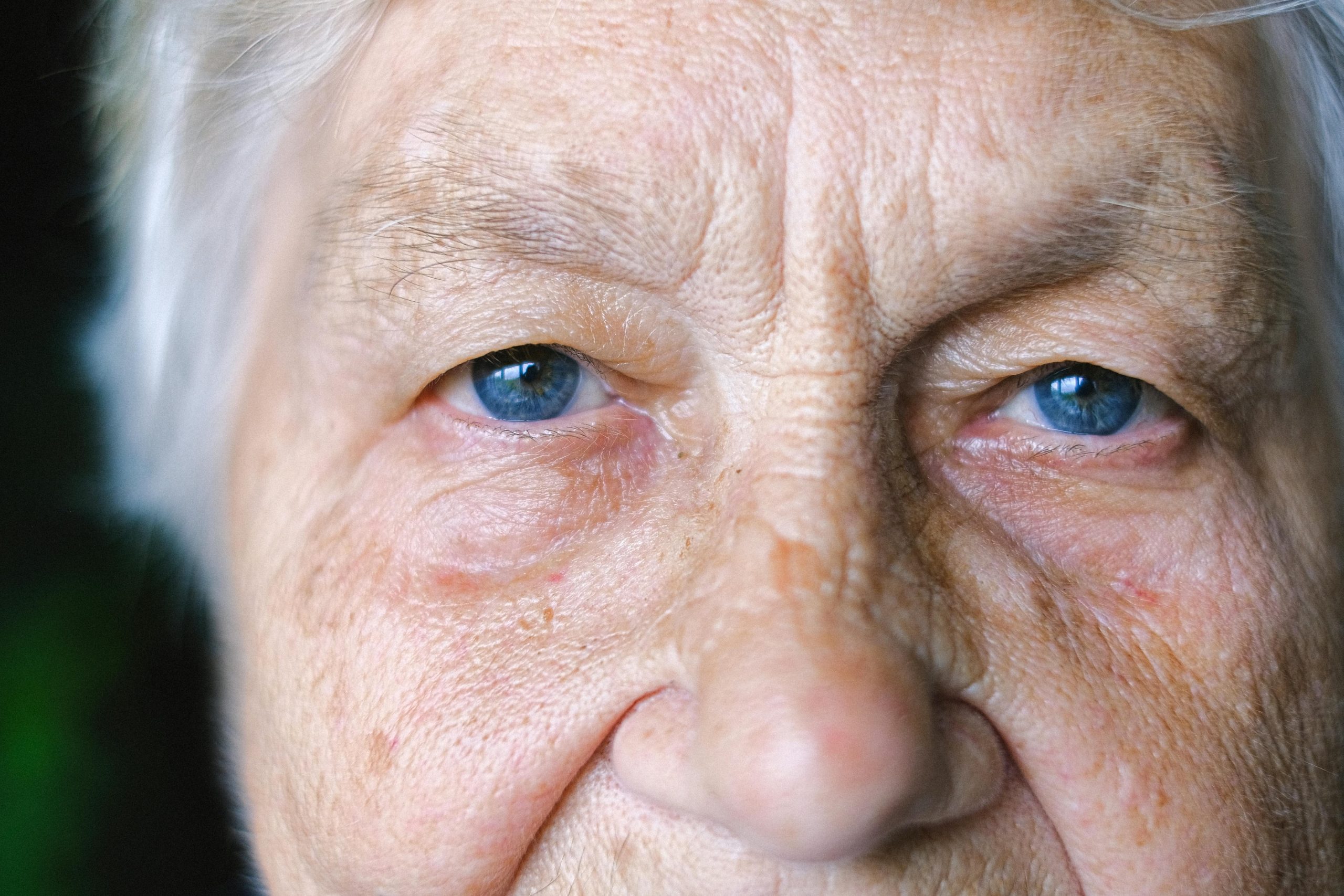
Age is the biggest known risk factor. Risk rises significantly as people get older.
2) Family History and Genetics
Having a close relative with Alzheimer’s may increase risk. Some rare genetic forms cause early-onset Alzheimer’s, but most cases are influenced by multiple factors, not a single gene.
3) Cardiovascular Health
Heart and brain health are connected. Conditions like high blood pressure, high cholesterol, diabetes, and smoking may increase risk.
4) Head Injury
Moderate to severe traumatic brain injuries have been associated with increased dementia risk later in life.
5) Lifestyle and Social Factors
Sleep quality, physical activity, depression, loneliness, hearing loss, and limited mental stimulation are all being studied as potential contributors.
What To Do If You’re Concerned
If you notice consistent changes in memory or thinking:
Book a medical appointment and bring examples of changes you’ve observed.
Ask about cognitive screening and other assessments.
Seek support early—education and planning can reduce stress for everyone.
You Don’t Have to Face Alzheimer’s Alone
Alzheimer’s disease changes a family, not just one person. AlzheimersFoundation.ca offers education, resources, and ways to help others through donations and community support. Early action can improve quality of life and create a stronger plan for the future.
Sources & Further Reading
This article was prepared using information from respected Alzheimer’s, dementia,
public health, and medical research organizations. It is intended for general
educational purposes only and should not replace advice from a qualified doctor,
nurse practitioner, pharmacist, or other licensed health professional.
Alzheimer Society of Canada – About Dementia
Alzheimer Society of Canada – 10 Warning Signs of Dementia
Government of Canada – Dementia Overview
Government of Canada – Dementia: What Canada Is Doing
National Institute on Aging / NIH – Alzheimer’s Disease Fact Sheet
National Institute on Aging / NIH – What Is Alzheimer’s Disease?
Mayo Clinic – Alzheimer’s Disease: Symptoms and Causes
Mayo Clinic – Dementia: Symptoms and Causes
CDC – Alzheimer’s Disease and Dementia
CDC – About Alzheimer’s Disease
Alzheimer’s Association – What Is Alzheimer’s Disease?
Alzheimer’s Association – 10 Early Signs and Symptoms of Alzheimer’s and Dementia
PubMed – Dementia Prevention, Intervention, and Care: 2024 Lancet Commission Report
The Lancet – Dementia Prevention, Intervention, and Care: 2024 Report
NCBI Bookshelf – Alzheimer Disease Medical Reference