
Aging PopulationAll
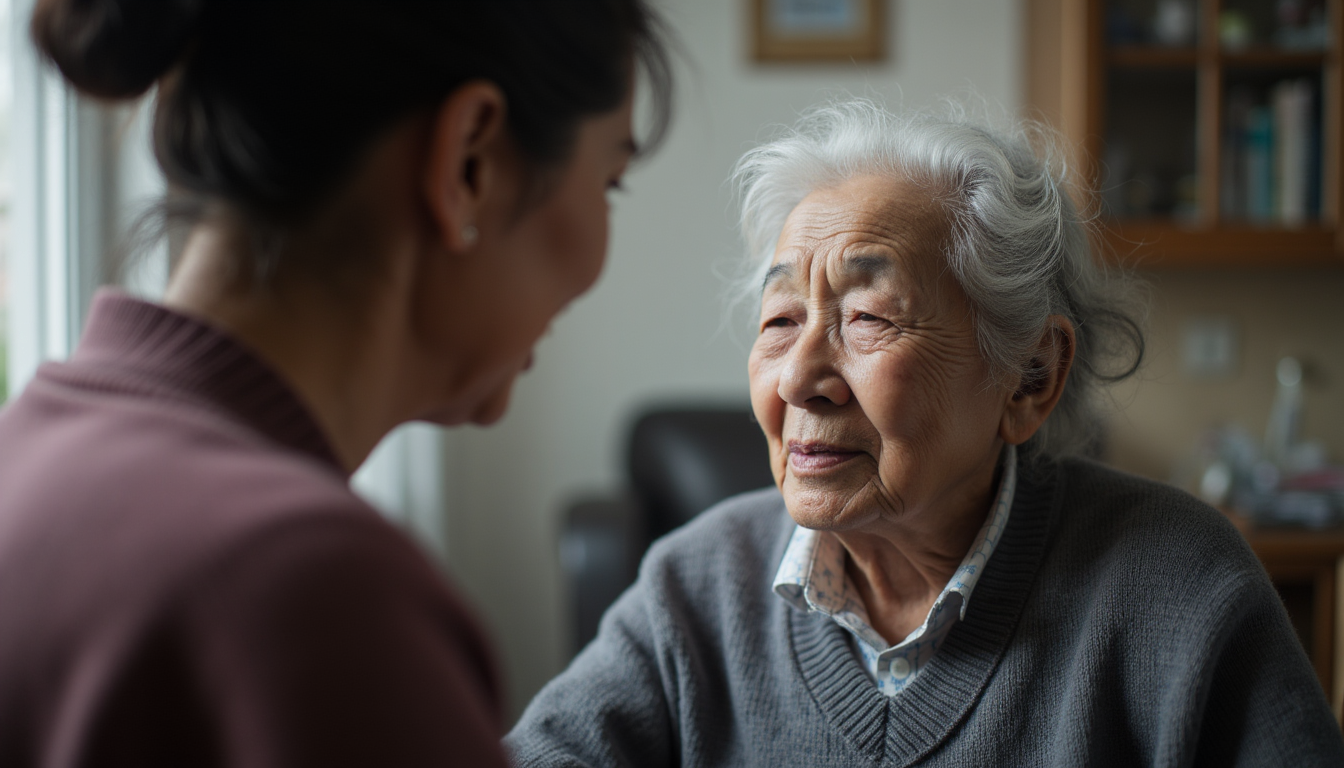
When society talks about aging, the focus is usually on healthcare, pensions, and long-term care. Those are important. But there is another issue that quietly affects millions of older adults: loneliness.
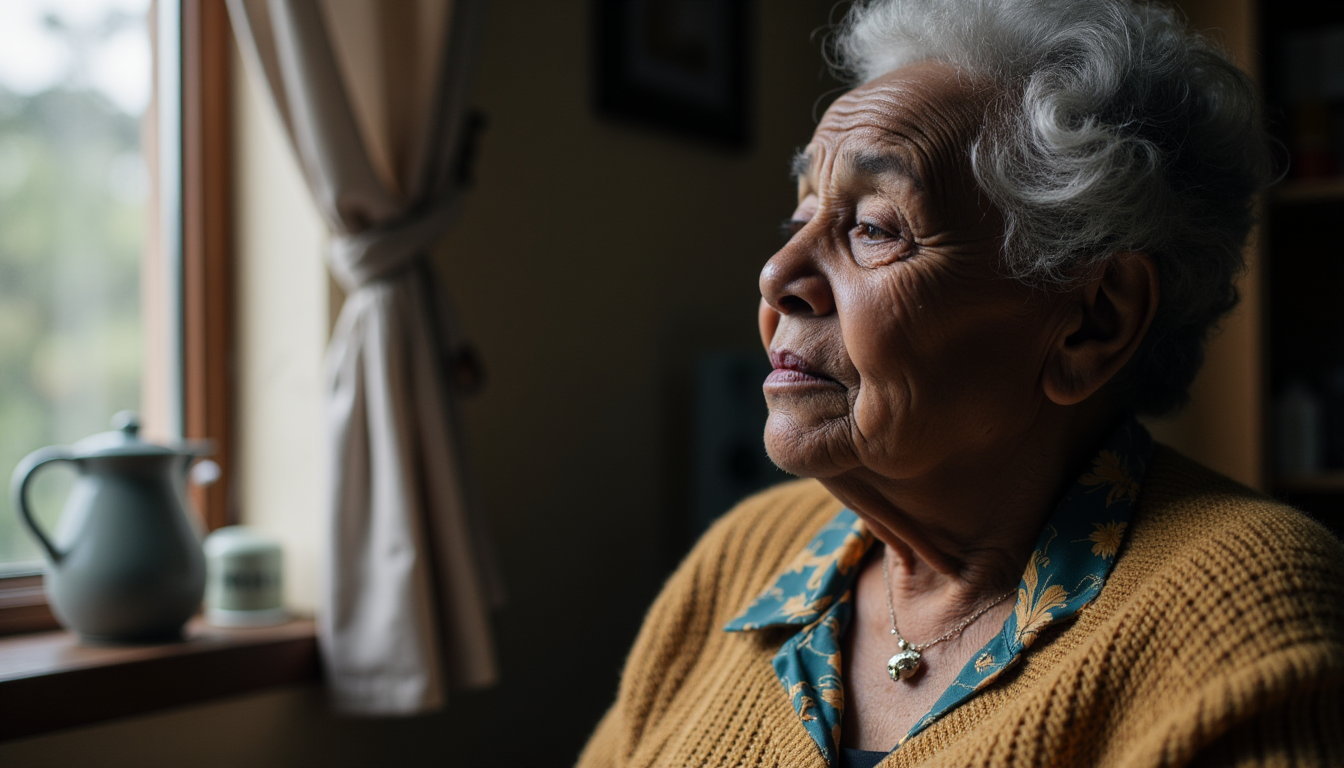
Loneliness is not just a sad feeling. It can shape health and quality of life. It can lead to depression, anxiety, poor sleep, weaker immunity, and a faster decline in physical ability. Even people with family can feel lonely if they don’t have regular connection, purpose, and community life.
If society wants to accommodate an aging population, it must treat social connection as a real need—not a “nice extra.”
Why Loneliness Increases With Age
Loneliness tends to rise because life changes:
friends and spouses may pass away
retirement reduces daily social contact
children move away or become busy
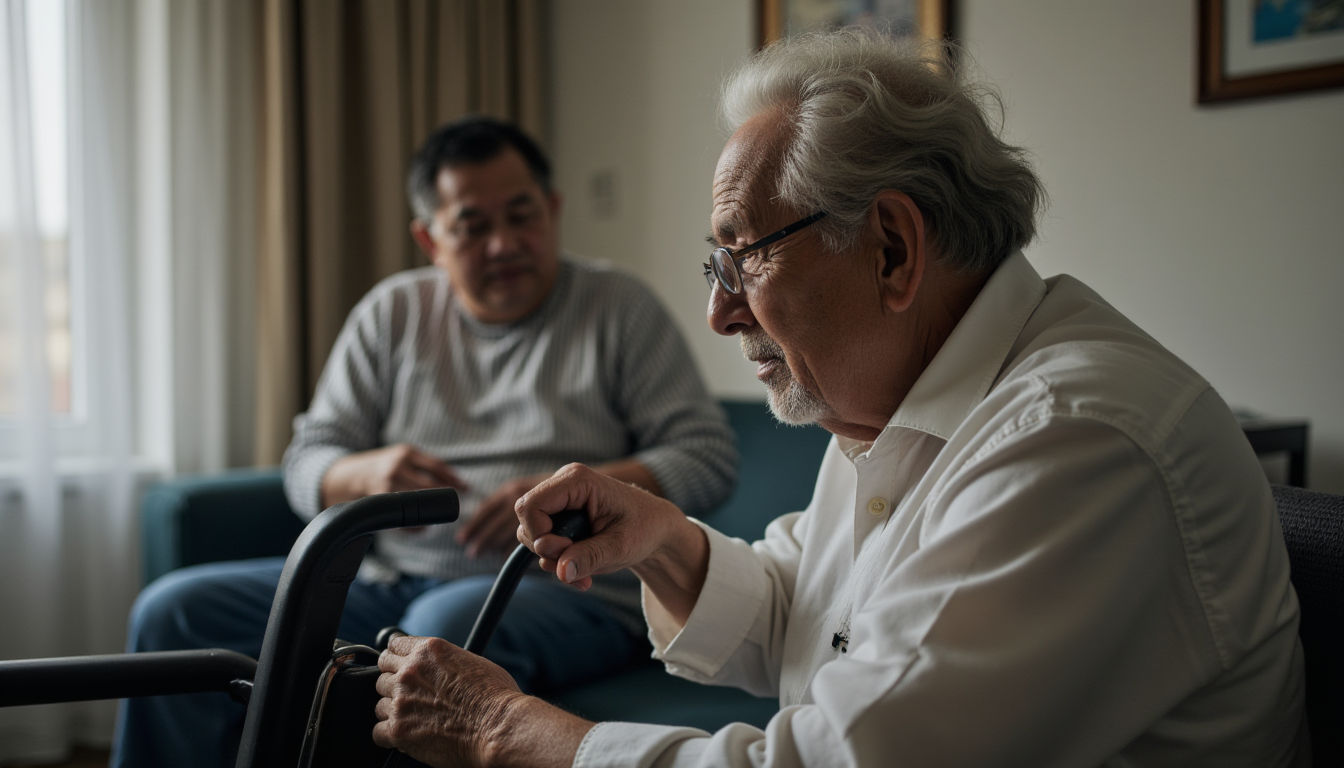
mobility issues make going out harder
driving may stop
hearing loss makes conversation tiring
fear of falling leads to staying home more
It is not one thing. It is usually a slow build of smaller losses.
The Hidden Barrier: “It’s Hard to Ask for Help”
Many older adults do not say they are lonely. Some feel embarrassed. Some do not want to feel like a burden. Others have grown used to being independent.
That is why social supports must be easy to access and offered in a normal, respectful way—like any other public service.
Community Programs That Actually Work
Not every program helps. Some feel childish or disconnected from real interests. The best programs are built around purpose and belonging.
Examples of effective programs:
walking clubs
community meals
hobby groups (gardening, cooking, crafts, music)
book clubs and discussion groups
beginner tech classes (phone, video calls, online safety)
intergenerational programs (youth + seniors)
volunteer opportunities with real responsibility
The goal is not to “entertain” seniors. The goal is to include them.
Transportation Is Social Support
A person can’t join community life if they can’t get there.
To reduce isolation, society should expand:
accessible public transit
low-cost ride programs for seniors
community shuttle services
volunteer driver networks
safer walking paths and benches
Transportation is not only a mobility issue—it is a connection issue.
Housing Design Can Reduce Isolation
Housing is a major factor in loneliness. If older adults are in isolated neighborhoods with no nearby services, loneliness grows.
Better housing approaches include:
mixed-age neighborhoods
senior-friendly apartments near services
co-housing models (private space + shared community spaces)
zoning that allows secondary suites for family proximity
buildings with common rooms that encourage natural interaction
When people are close to others, connection happens more naturally.
Simple Everyday Changes That Help
Society also needs cultural changes:
businesses and services should be patient and respectful
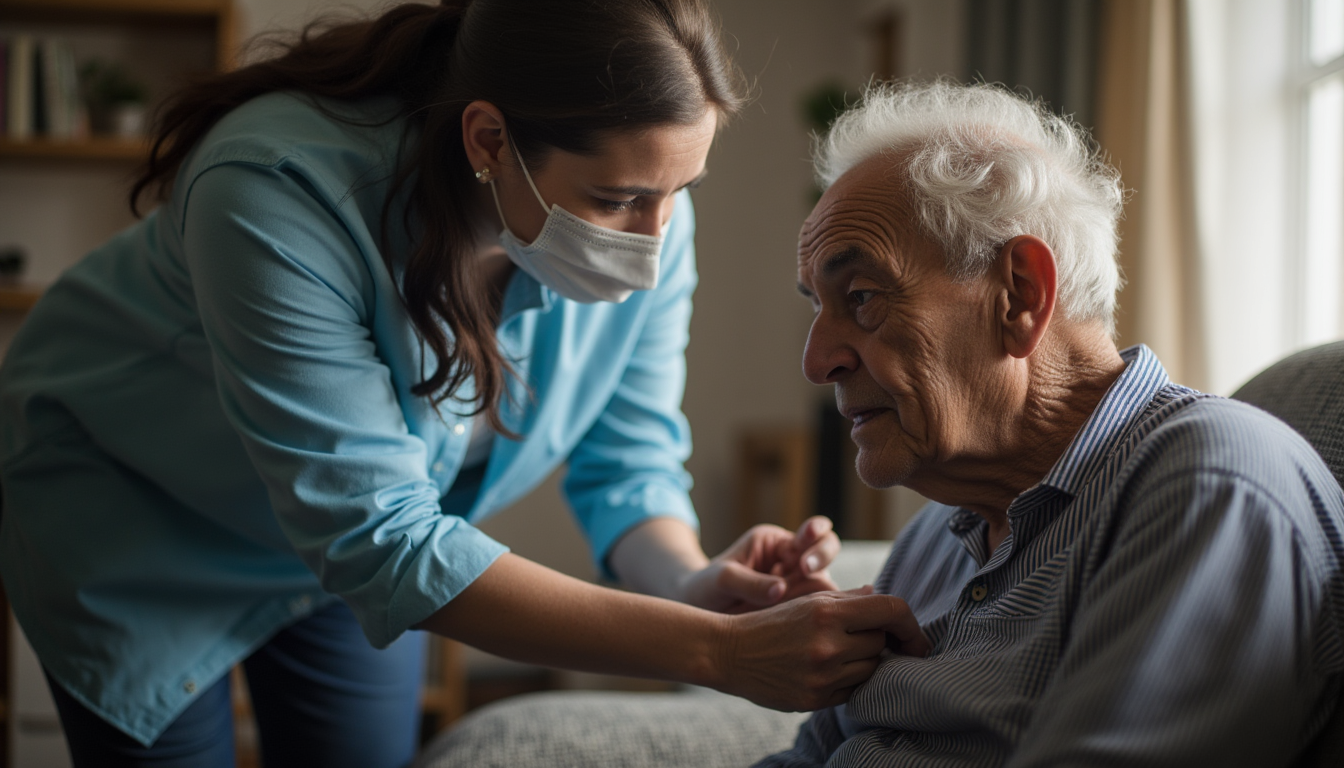
staff in public-facing roles should be trained to assist older adults kindly
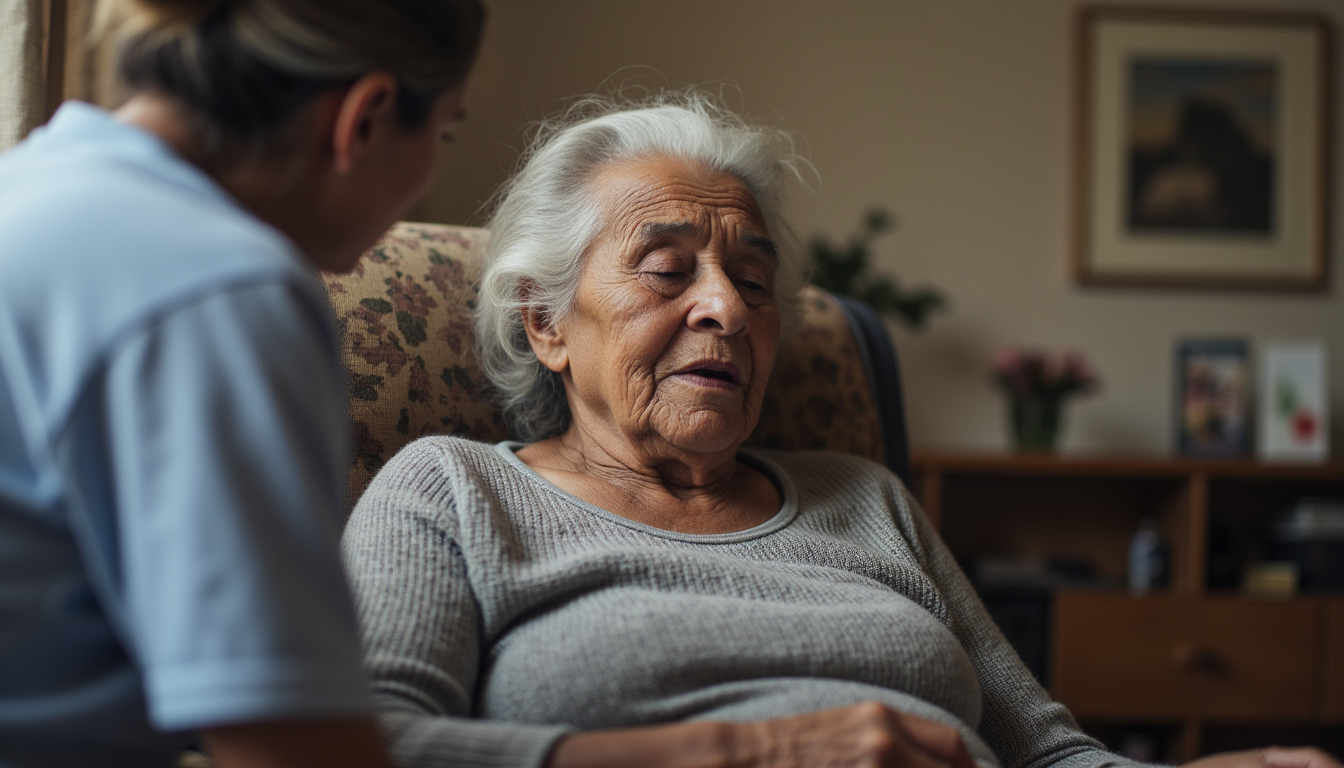
communities should normalize checking in on neighbors
health providers should ask about isolation, not just blood pressure
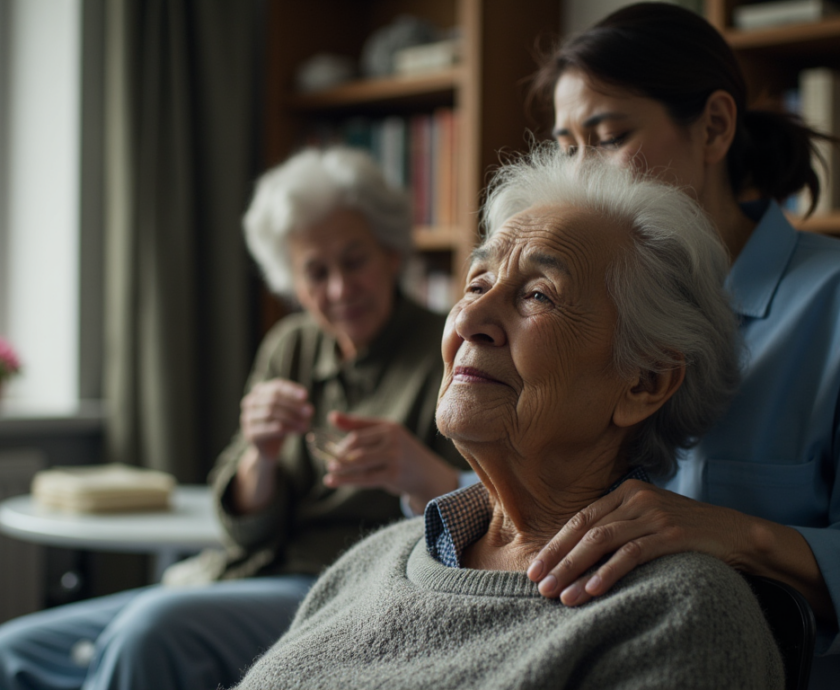
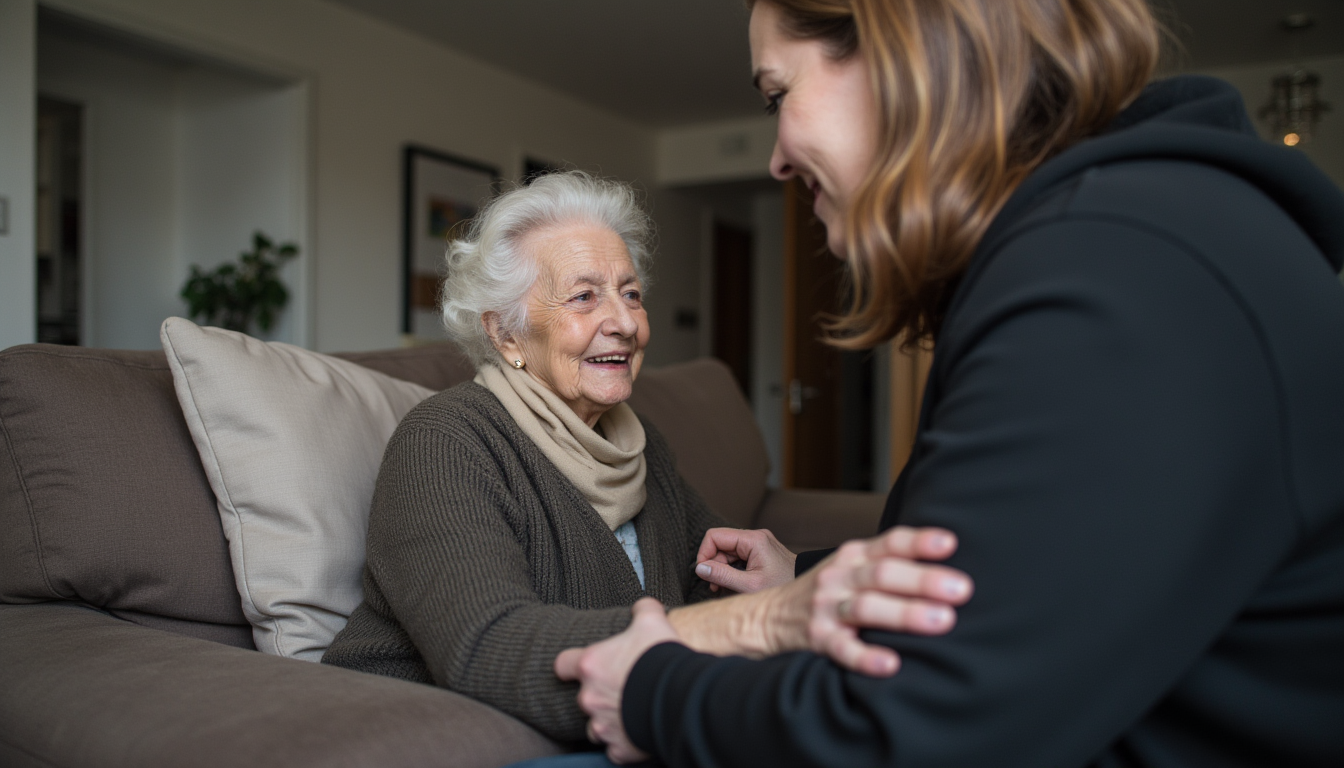
Many seniors do not need major interventions. They need regular human contact and a sense of belonging.
What Should Be Done Now
To fight loneliness in an aging society, priorities should include:
community programs with purpose and variety
transportation options that make participation possible
housing strategies that reduce isolation by design
stronger neighbor-to-neighbor and intergenerational support
better awareness of hearing loss and mobility barriers that block connection
Aging does not have to mean shrinking life. If society builds real supports for social connection, older adults can remain active, valued, and included.
Accommodating the aging population is not only about care. It is about community.
Medical disclaimer: This content is provided for general education and awareness. It is not a diagnosis, treatment plan, or substitute for professional medical advice. If you or someone you care about is experiencing memory loss, confusion, personality changes, or difficulty with daily activities, speak with a qualified health professional.